


Blogs
Skin cancer: what to look out for and how to stay sun-safe
The hard facts about skin cancer and the sun
There are three major types of skin cancer. Melanoma, the most dangerous and aggressive form, is the 5th most common cancer in the UK and one of the most rapidly increasing cancers in incidence worldwide. While non-melanoma skin cancers (NMSK), such as basal cell and squamous cell carcinomas, are more common, basal cell carcinomas are less likely to spread and easier to cure, especially when detected early. For this reason, they are often underreported and excluded from global rankings due to inconsistent data collection. If NMSK were included, they would likely be the most common cancer in the UK and globally.
Just five instances of sunburn in your lifetime can double your risk of developing melanoma – a sobering statistic for anyone who enjoys the outdoors. Every day, approximately six people in the UK lose their lives to melanoma, but this can often be prevented. When caught early, the five-year survival rate for melanoma is an impressive 99%. Early detection truly saves lives.
Sun: friend or foe?
It’s easy to demonise the sun, but sunlight plays a crucial role in our health. It boosts your mood, supports bone health, and strengthens the immune system. The key is moderation – too much of a good thing can quickly become harmful.
A simple rule: if your skin is turning red, it’s your body’s way of telling you it has had enough. Redness is a warning sign of damage, so take it seriously. Move into the shade or reapply your sunscreen.
Smart sun protection: your summer essentials
- Choose your SPF wisely: Just as you'd invest in quality skincare, select a sunscreen that offers broad-spectrum protection, and check the expiry date to ensure it's still effective. Apply generously 30 minutes before heading outdoors and reapply every four hours, or more often if you’re swimming or sweating.
- Say no to sunbeds: Artificial tanning beds are proven carcinogens and significantly increase your risk of skin cancer. There’s no such thing as a safe tan from a sunbed.
- Know your risk: Fair skin, a history of sunburn, excessive sun exposure in youth, or a family history of skin cancer all raise your risk. This by no means suggests darker skin types are exempt – everyone needs to be vigilant.
- Regular skin checks: professional annual checks plus monthly self exams help detect skin cancer and the sun induced damage early
Check your skin and don't ignore changes
Make it a habit to check your skin at least once a year with a professional, and perform regular self-examinations in between. Thanks to advances in technology, there are now AI-powered apps that can help you assess moles or skin changes, but nothing replaces an expert opinion.
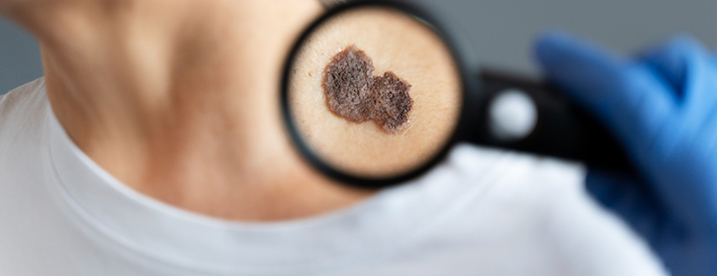
Stand in front of a mirror, check hard-to-see areas with a hand mirror, and don’t ignore changes like:
- Asymmetrical moles
- Irregular borders
- Colour variation
- Diameter over 6mm
- Evolving shape, size, or sensation (itching or bleeding)